Trusted Pest Control Services in Warren County for Complete Coverage
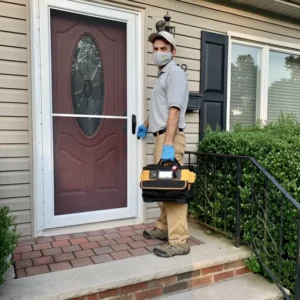
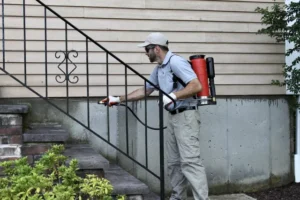
Pests do not arrive on a convenient schedule. They show up during a summer cookout, in the quiet of a crawl space, behind a restaurant prep line, or in a back office where cardboard boxes have been stacked for months. By the time most people spot the first sign, the real activity has usually been underway for a while. That is why property owners who want lasting results tend to look for trusted Pest Control Services Warren County residents can count on for complete coverage, not quick sprays and vague promises.
Complete coverage means more than treating the obvious problem. It means understanding how pests enter, where they nest, what draws them in, and why the same issue may return even after it seems solved. It also means adjusting the approach to the property itself. A century-old farmhouse, a new suburban home, a warehouse, and a medical office may all sit within the same county, but they do not face the same pest pressures or need the same treatment plan.
Good pest control is part inspection, part prevention, part targeted treatment, and part follow-through. The best providers know how to balance all four.
What “complete coverage” really means
People often hear “full-service pest control” and assume it refers to a long menu of treatment options. That is only part of it. In practice, complete coverage means the service addresses the full life cycle of a pest issue, from identification to monitoring, rather than simply reacting to whatever happens to be visible that day.
A technician with strong field experience will usually start by asking questions that sound simple but matter quite a bit. When did the activity begin? Is it worse at night? Have there been recent plumbing leaks, remodeling projects, or changes in landscaping? Were over-the-counter sprays already used? Those details help separate one problem from another. Ants trailing to a kitchen sink point in a different direction than random ant sightings near a garage slab. A scratching sound in an attic after sunset suggests a very different plan than small droppings under a basement shelf.
Coverage also means looking beyond the interior. Many infestations are created by exterior conditions that go unnoticed for months. Dense shrubbery against the foundation, clogged gutters, mulch piled too high, standing water near downspouts, torn door sweeps, unscreened vents, and wood-to-soil contact all create opportunities. If those are left alone, treatment becomes a temporary fix.
That is one reason experienced companies spend Pest Control Services Warren County time inspecting. Homeowners sometimes worry when an inspection feels slow, but the opposite should raise concern. A rushed visit may miss the exact route pests are using, and once that happens, a customer ends up paying for repeated callbacks instead of getting a durable solution.
The pest pressures Warren County properties commonly face
Even within one county, pest activity shifts with season, property type, and surrounding land use. Residential neighborhoods, wooded lots, agricultural edges, retail centers, apartment buildings, and food-service locations all create different conditions. That variety is exactly why Pest Control Services Warren County property owners trust need to be flexible rather than one-size-fits-all.
Warm weather usually increases insect pressure. Ants become more noticeable in kitchens and bathrooms as colonies expand and scout for food and moisture. Wasps and hornets build nests under eaves, in play structures, and around sheds. Mosquito activity rises anywhere water collects, even in places people overlook, such as corrugated drainpipe ends, forgotten buckets, and low spots in tarps. Fleas and ticks become a greater concern where pets, wildlife, and tall grass overlap.
As temperatures cool, the pattern changes. Rodents begin testing structures for shelter. Spiders may become more visible indoors, not always because there are suddenly more of them, but because changing temperatures alter their movement. Stink bugs and other overwintering insects look for wall voids and attic spaces. Properties that were quiet all summer can become very active in fall.
Then there are pests that ignore the calendar almost entirely. Cockroaches, bed bugs, termites, pantry pests, and many occasional invaders can remain active in one form or another year-round, especially in climate-controlled structures. These are often the issues that require the most patience and the most disciplined treatment plan.
Why trust matters more than a low quote
Most property owners have had some version of the same experience in the service world. One company offers a very low price, another charges more, and the difference is not obvious at first glance. Pest control is a category where that gap often reflects real differences in effort, training, and accountability.
Trust starts with clear identification. If a provider cannot confidently explain what pest is present and why, the treatment is already on shaky ground. Ant control, for example, is not one problem. Carpenter ants, odorous house ants, pavement ants, and pharaoh ants behave differently and can respond poorly to the wrong treatment strategy. The same goes for rodents. A house mouse issue is handled differently than a roof rat problem, and wildlife exclusion is another discipline altogether.
Trust also shows up in what a company is willing to say no to. A professional who knows the work will not promise immediate elimination when a pest’s biology makes that unrealistic. Bed bug work takes precision and follow-up. German cockroach elimination in a heavily infested multi-unit property may require sanitation improvements, access to adjoining units, and multiple visits. Termite risk can Pest Control Services Warren County be reduced substantially, but no honest operator should pretend the environment stops existing once a treatment is completed.
A trustworthy provider explains the likely timeline, the level of cooperation needed from the customer, and what signs of progress actually look like. Sometimes that means telling a homeowner that seeing increased activity for a short period after treatment is not failure, but part of how a product or bait works. Sometimes it means explaining that no treatment can succeed if food, moisture, or harborage remain untouched.
Residential service is about more than peace of mind
For homeowners, pest control is often framed as comfort. No one wants insects in the kitchen or rodents in the attic. But the issue goes deeper than convenience. Some pests damage structures. Some contaminate food. Some trigger allergies or worsen asthma. Some create expensive repairs long before they are visibly detected.
Termites are the clearest example. A small amount of visible damage can conceal a much larger problem inside framing members or sill plates. Carpenter ants can also cause structural damage, though usually under conditions where moisture has already weakened wood. Rodents chew insulation, wiring, stored materials, and anything suitable for nesting. In older homes especially, a mouse issue is not just unpleasant. It can turn into repair work across several systems.
Families with children, older adults, or pets often have additional concerns about treatment safety and indoor disruption. A reputable company addresses these directly, not dismissively. That includes discussing product placement, drying times where relevant, pet handling, ventilation, and any preparation steps the customer should take before the visit. It also means using the least intrusive effective method when possible, rather than treating every room heavily because it feels dramatic.
The strongest residential programs tend to combine routine exterior defense with interior attention as needed. That approach catches many issues before they become large and limits the need for broad interior treatment. It is not flashy, but it works.
Commercial properties need a different level of discipline
Commercial pest control is less forgiving than residential work because the stakes are broader. One unresolved issue can affect operations, inventory, audits, tenant relationships, online reviews, and staff morale. In food-related businesses, healthcare settings, hospitality spaces, and property management, pest activity can quickly move from nuisance to serious liability.
The best commercial providers understand that treatment has to work within the business, not around it. A restaurant may need service outside peak hours and documentation suitable for inspections. A warehouse may require a stronger focus on dock doors, pallet storage, and incoming freight. An office building may have low tolerance for disruption but still need attention to break rooms, utility penetrations, and janitorial areas. Multi-family housing presents another layer, since one unit’s sanitation, clutter, or plumbing issue can affect neighboring units.
Complete coverage in commercial settings usually includes trend awareness. Where are sightings concentrated? Are there repeat issues near a compactor, receiving area, or mechanical room? Have seasonal changes affected rodent pressure around the perimeter? Is there a sanitation lapse creating food and moisture sources? Those questions separate a managed account from a recurring problem.
Documentation matters, too. Not because paperwork solves infestations, but because consistent records reveal patterns. A smart service log can show whether activity is random or tied to a specific wing, floor, tenant, or season. It also gives managers something better than guesswork when they need to make maintenance decisions.
The inspection is where good service begins
If you want to judge a pest control company quickly, pay attention to the inspection. Not the sales pitch, not the brochure, not the discount offer. Watch how the inspection is done.
An experienced technician notices details other people walk past. Tiny rub marks along a beam, a faint musty odor in a closet, insect frass under a windowsill, a gap around utility lines, rodent gnawing on stored pet food bins, live activity near a sump area, old mud tubes that need to be distinguished from fresh ones. None of that is glamorous, but it is how real problems are solved.
The inspection should also connect findings to causes. It is one thing to point out spider webs in a basement. It is more useful to explain that web presence often reflects available prey and sheltered conditions, and that reducing clutter, sealing gaps, and controlling moisture can lower activity more effectively than repeated spot treatments alone. Good pest control companies do not simply identify what is there. They explain why it is there.
Customers also benefit when the inspection is honest about uncertainty. Not every sign leads to a perfect answer on day one. Sometimes monitoring is needed. Sometimes a species must be confirmed before treatment is selected. Sometimes noises in an attic turn out not to be pests at all. Precision beats bravado.
Why prevention usually saves money
Many people first call pest control when they are already frustrated. That is understandable, but preventive service is often where the best value sits. Preventive work does not guarantee a property will never experience pest pressure, but it can reduce the frequency, severity, and cost of problems considerably.
A sealed gap around a pipe chase is cheaper than repeated rodent service calls. Correcting drainage near a foundation often does more for moisture-loving pests than another round of general treatment. Trimming vegetation back from the siding may lower ant and spider activity enough to change the whole service pattern. In multi-unit housing, consistent trash management and exclusion repairs can prevent one isolated sighting from turning into a building-wide issue.
Here is where experienced judgment matters. Not every recommendation deserves equal urgency. Some conditions are cosmetic, some are moderate risks, and some are major access points or attractants. A good provider helps prioritize rather than overwhelm.
What to expect from a strong service plan
A reliable pest control plan should feel specific to the property. If the proposal sounds identical to what every other home or building receives, there is a fair chance the service will be generic too.
Strong plans usually account for the current pest issue, the property’s construction, seasonal pressure, surrounding environment, and the customer’s tolerance for ongoing service versus one-time work. A wooded lot with a crawl space and moisture issues may need very different follow-up than a townhome on a slab. A daycare facility requires different communication and scheduling than a vacant storage building.
The customer should come away understanding the scope of work, the likely timeline, any prep responsibilities, and what follow-up may be necessary. That last point matters more than many people realize. Some pest issues are resolved in a single visit, especially if they are isolated and access points are corrected quickly. Others require staged work. Trouble starts when expectations are not set honestly.
A practical evaluation often comes down to a few basics:
- Does the company identify the pest clearly and explain the evidence?
- Does the plan address access, harborage, moisture, and sanitation, not just treatment?
- Are follow-up visits and realistic timelines explained upfront?
- Is the communication clear about safety, preparation, and cost?
- Does the service record show accountability rather than vague notes?
If those answers are weak, the service may not hold up once the first wave of activity subsides.
Common mistakes property owners make before calling
One of the most common mistakes is overusing store-bought products before the problem is identified. That can scatter pests, contaminate bait placements, or make professional diagnosis harder. Roach infestations are a classic example. Foggers and broad household sprays often push insects deeper into wall voids and cluttered areas while doing little to address the core population.
Another frequent issue is waiting too long because the signs seem minor. A few droppings in the garage, occasional noises in the wall, a single wasp nest near a back door, or ants appearing only during rain may not look urgent, but small signs often mean a larger pattern is already established. The earlier the inspection happens, the more options are usually available.
People also underestimate how often moisture is the hidden driver. Leaks under sinks, sweating pipes, damp crawl spaces, poorly vented bathrooms, and slow drainage around the foundation all support pest activity. In many homes, a plumbing or ventilation correction ends up being as important as the treatment itself.
Questions worth asking before hiring
A quick call can reveal a lot about a company’s standards. It helps to ask who will perform the inspection, whether recommendations will include exclusion and prevention steps, and how follow-up is handled if activity continues. The quality of those answers matters more than polished sales language.
Ask whether the provider has experience with your specific issue. General service experience is valuable, but termite work, bed bug work, wildlife exclusion, and restaurant pest management all require their own practical knowledge. It is also reasonable to ask how treatment success will be measured. “You should be fine” is not a plan. “We expect activity to decline over the next two weeks, we will reinspect these areas, and we may adjust based on trap counts or fresh evidence” is much more useful.
If you are comparing Pest Control Services Warren County companies, pay attention to how they handle uncertainty. The strongest professionals are confident without pretending every case is simple. They know when to act fast, when to monitor, and when a building issue needs to be fixed before treatment can work properly.
The value of local familiarity
There is a practical advantage in working with a provider who understands how local housing styles, seasonal transitions, and surrounding landscapes influence pest activity. Counties often include a mix of older homes, newer developments, commercial corridors, and semi-rural properties. That variety creates patterns a seasoned local technician sees repeatedly.
For example, an older stone foundation behaves differently from a sealed modern slab. Detached garages, sheds, wood piles, and outbuildings create their own harborages. Properties near wooded edges or open fields may deal with more wildlife pressure, while denser neighborhoods may see issues spread through shared walls, trash enclosures, or utility runs. A company with real local field time tends to spot those patterns faster and make better recommendations.
That kind of familiarity does not replace technical skill, but it sharpens it. It helps the inspection move beyond surface symptoms and toward likely causes.
Lasting results come from partnership
Even the best pest control company cannot carry the whole burden alone. The strongest outcomes happen when service and property care work together. That may mean fixing a torn screen, improving food storage practices, reducing clutter in a utility room, correcting a leak, or agreeing to a follow-up schedule rather than expecting a complicated issue to disappear overnight.
That partnership is especially important for recurring or sensitive pest problems. A skilled technician can place treatments precisely and identify the pressure points, but if a crawl space remains saturated, if gaps remain open, or if sanitation breaks down, pests will keep finding the same opportunities.
Trusted service is not about flashy promises. It is about consistent inspection, accurate identification, smart treatment choices, honest communication, and prevention that fits the property. When those pieces come together, Pest Control Services Warren County residents rely on can deliver something more valuable than a quick fix. They can provide complete coverage that holds up over time.
Affordable Pest Solutions LLC
Budd Lake, NJ 07828 (service-area business)
Serving Warren, Morris and Sussex Counties, New Jersey
Phone: +1 973-229-9547
FAQ About Pest Control Services Warren County
How much does pest control cost in NJ?
The cost depends on the pest, the size of the property, the extent of activity and whether follow-up visits are needed. Ask for an inspection and a written estimate that explains the treatment scope and any ongoing service charges. Affordable Pest Solutions offers free estimates for properties in its service area.
What are the most common household bugs in New Jersey?
Ants, cockroaches, stink bugs and spiders are among the pests that residents may encounter in New Jersey homes. Activity varies by season, moisture conditions and available entry points. Correct identification helps determine whether exclusion, sanitation, monitoring or professional treatment is appropriate.
What kind of bugs infest homes?
Ants, cockroaches and termites can establish persistent activity in or around homes. The signs and appropriate response differ by pest: trails, droppings, shed wings or damaged wood may warrant closer inspection. A pest professional can identify the cause and recommend a plan suited to the property.